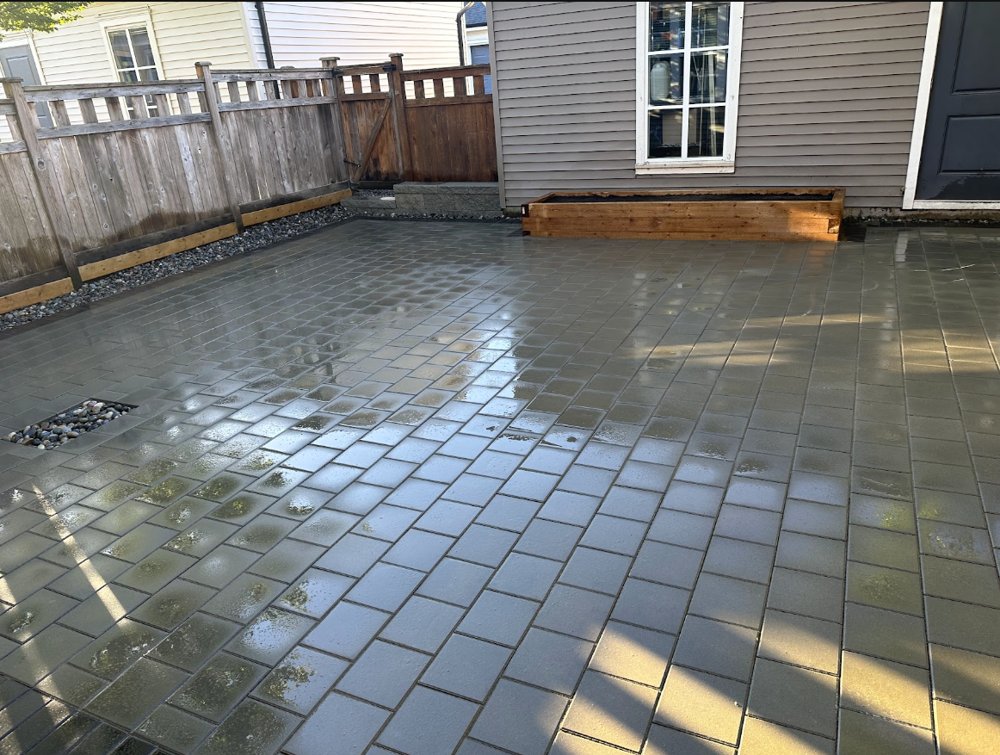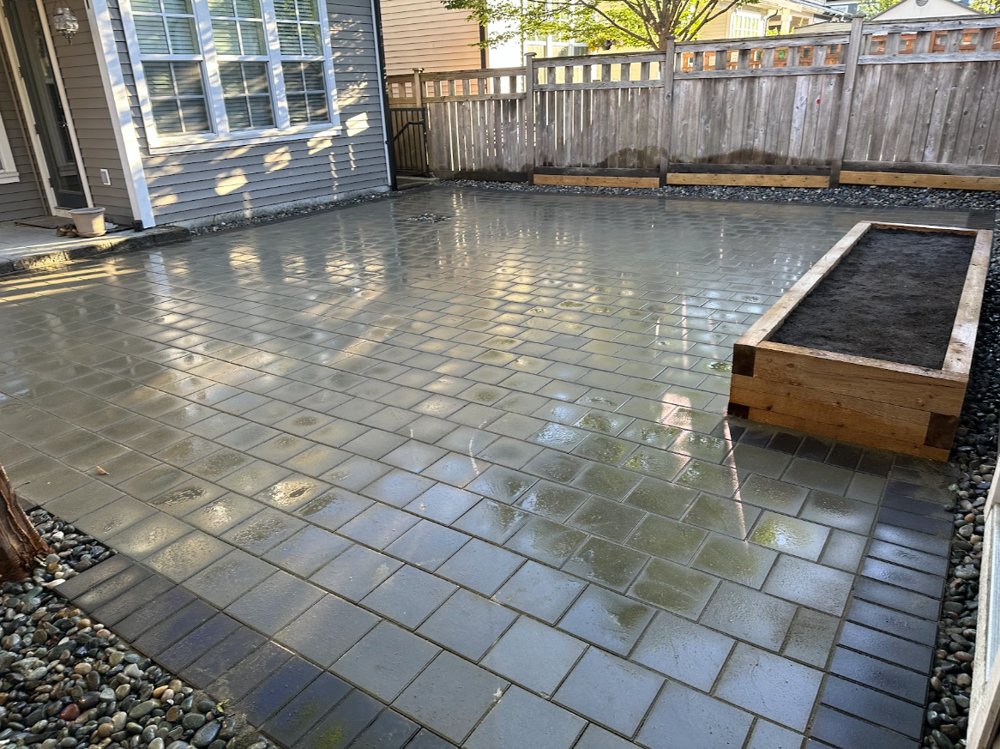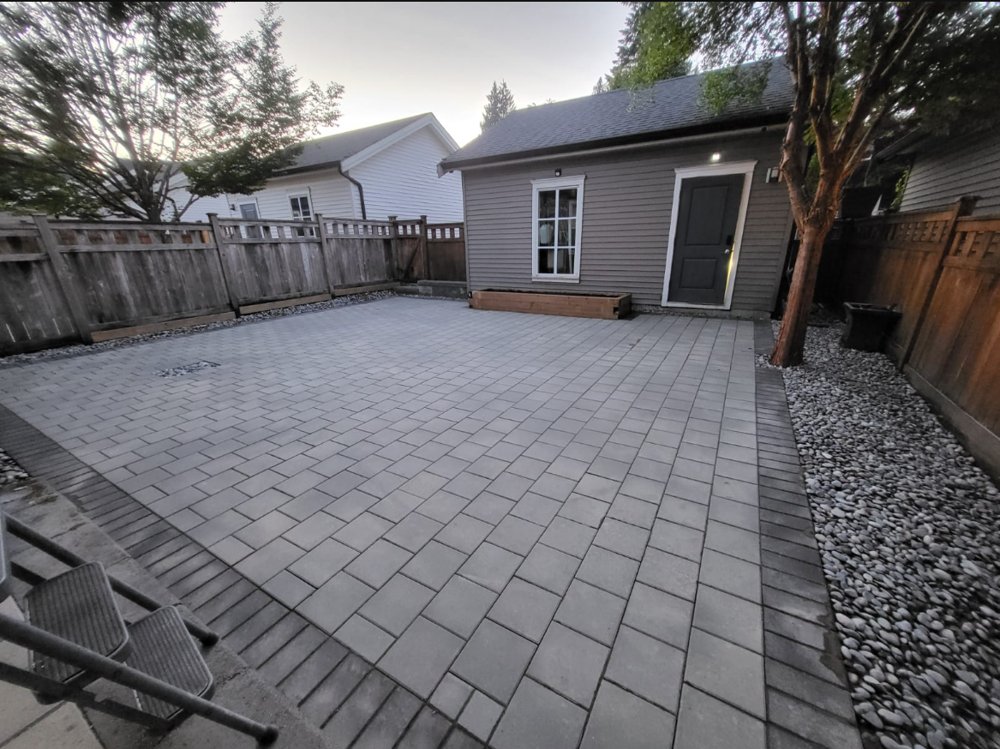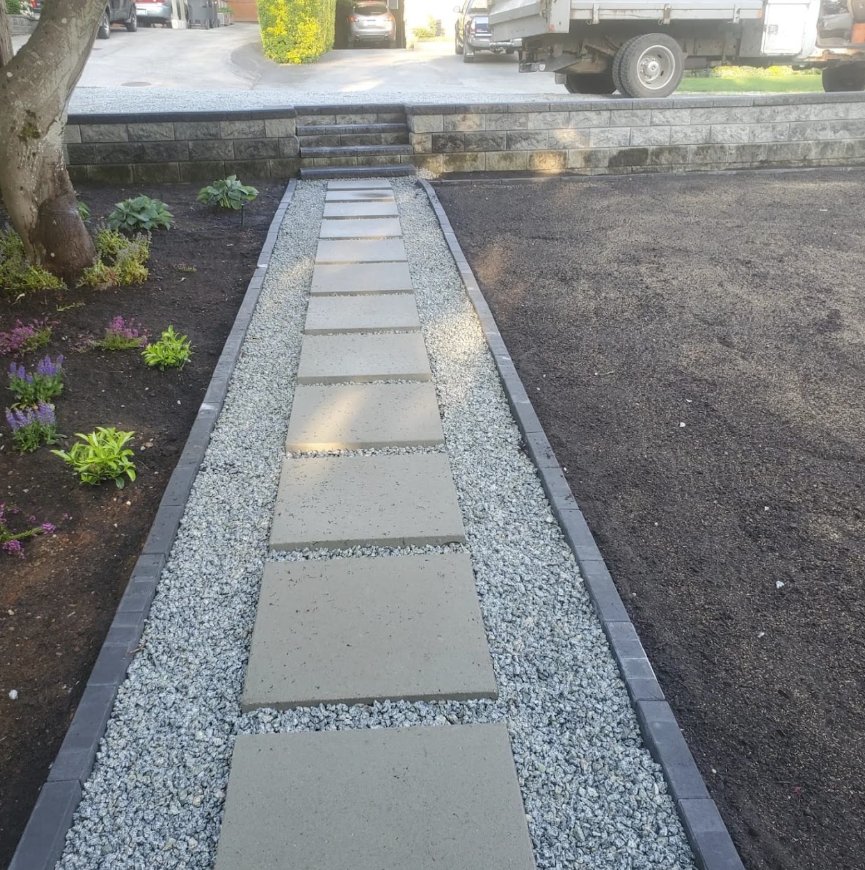
Hardscaping refers to any man-made structure within landscaping design that is made of inanimate materials like gravel, brick, wood, pavers, or stone. Any solid structure in an outdoor area that does not plant life is considered a hardscape. Some examples of hardscape features include driveways, patios, fountains, fire pits, and walkways. Conversely, softscaping in the form of landscape design primarily deals with organic, living materials such as trees, shrubs, and flower beds.
The Differences Between Hardscaping and Landscaping
Every landscape design is made up of a series of hardscaping features—including walkways, gravel paths, fountains, and structural accents—and softscaping features—which are any plants like flowers or trees—that complement and support each other. Hardscaping is inanimate and often provides the structure for softscaping, which grows and evolves.
7 Types of Hardscaping
1–Fire pits: A built-in outdoor fireplace or fire pit made of brick or stone is functional hardscaping that can make your outdoor space more liveable and relaxing.
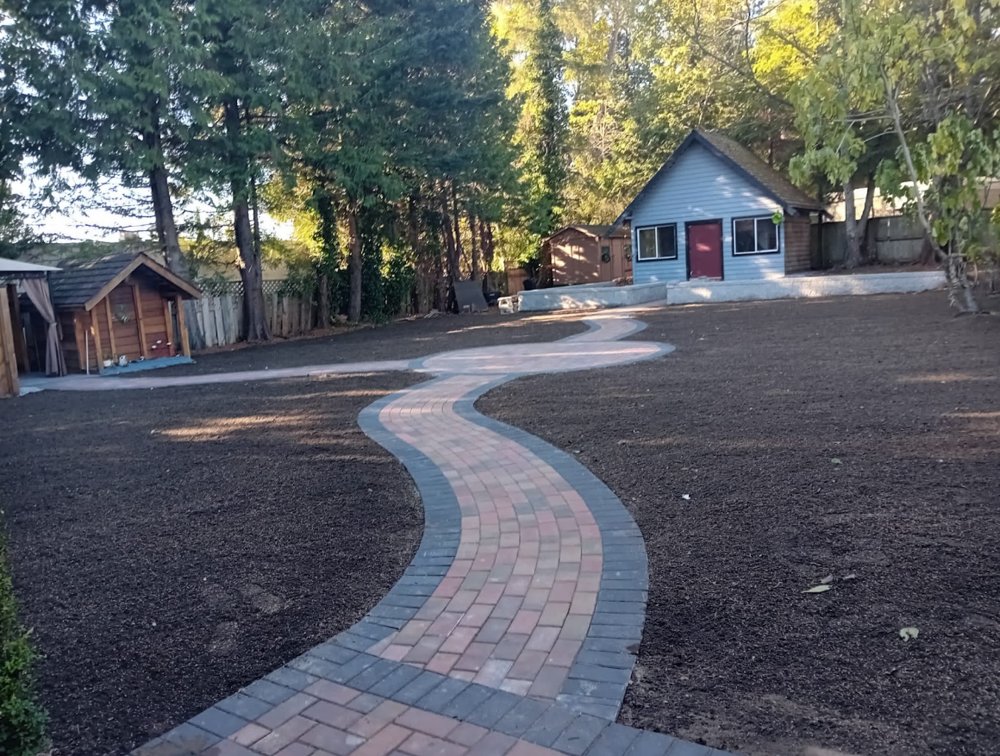
2–Stone pathways: Stone pathways are typically made out of materials like natural stone or concrete pavers. They can provide you with access to different parts of your garden without trampling your dirt or getting your feet dirty.
3–Retaining walls: Retaining walls are load-bearing walls that draw the boundary of a garden at the top of a hill, or the bottom of a hill, effectively damming up dirt and water runoff.
4–Gazebos and pergolas: Freestanding structures in your outdoor living space that come in a variety of shapes, sizes, materials, and themes. They provide shade and shelter during outdoor gatherings.
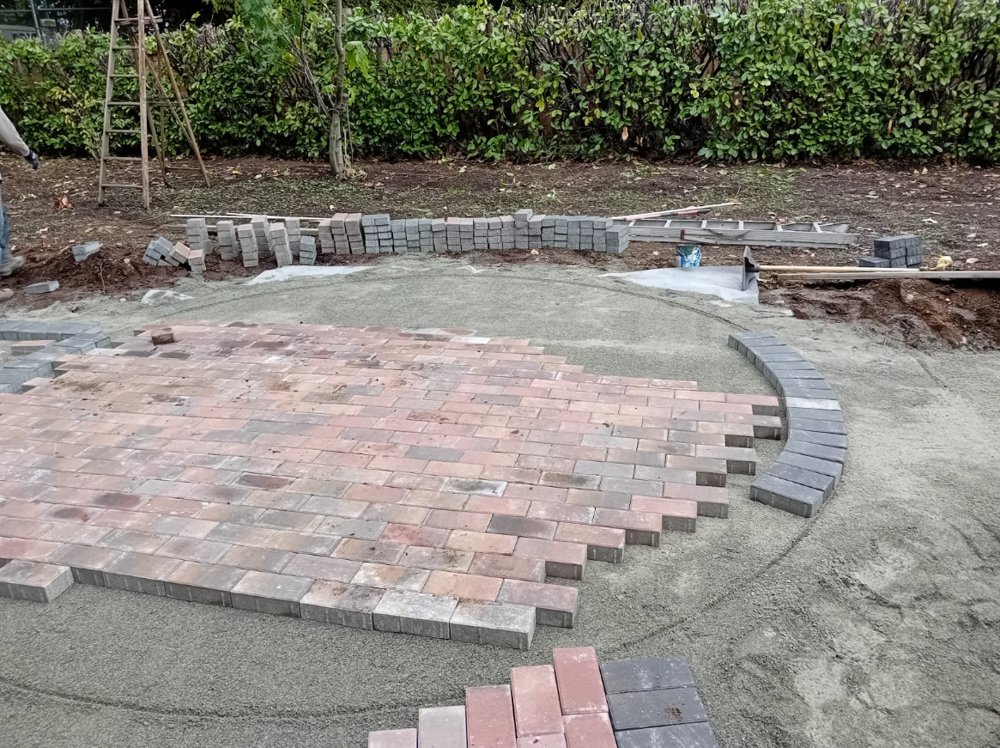
5–Decks and patios: Structures like wooden decks and patios extend living space into an outdoor area, using materials like brick or concrete depending on cost and maintenance requirements.
6–Fountains: Water features like fountains or paved garden streams provide your backyard with a natural focal point and a peaceful ambiance.
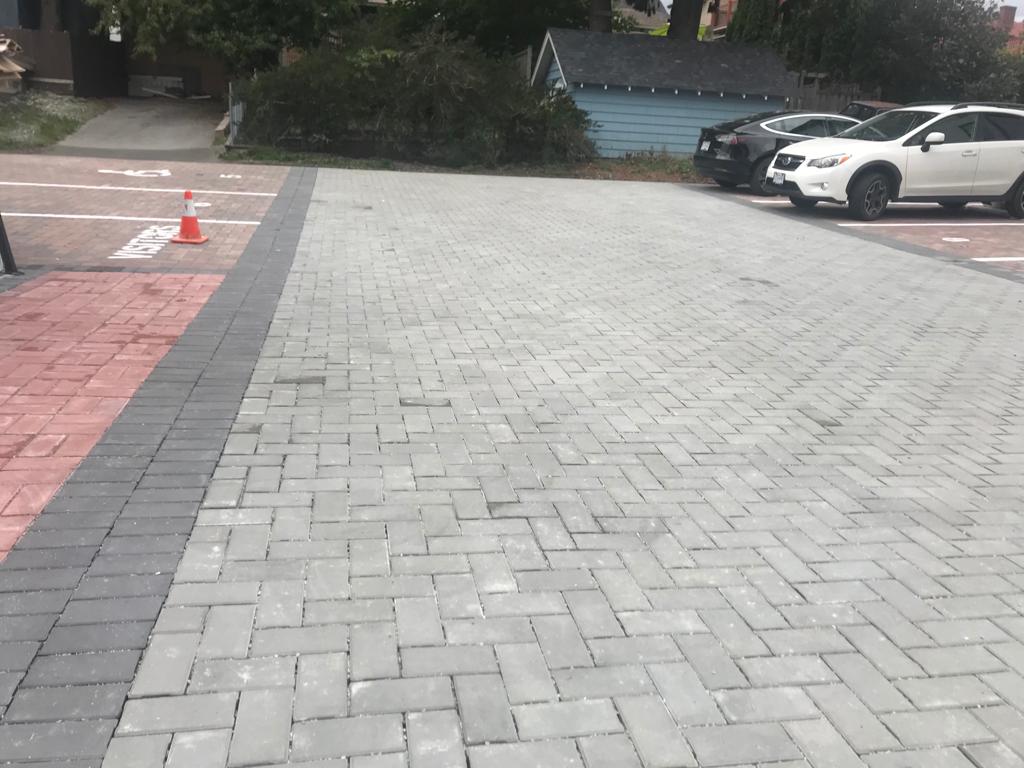
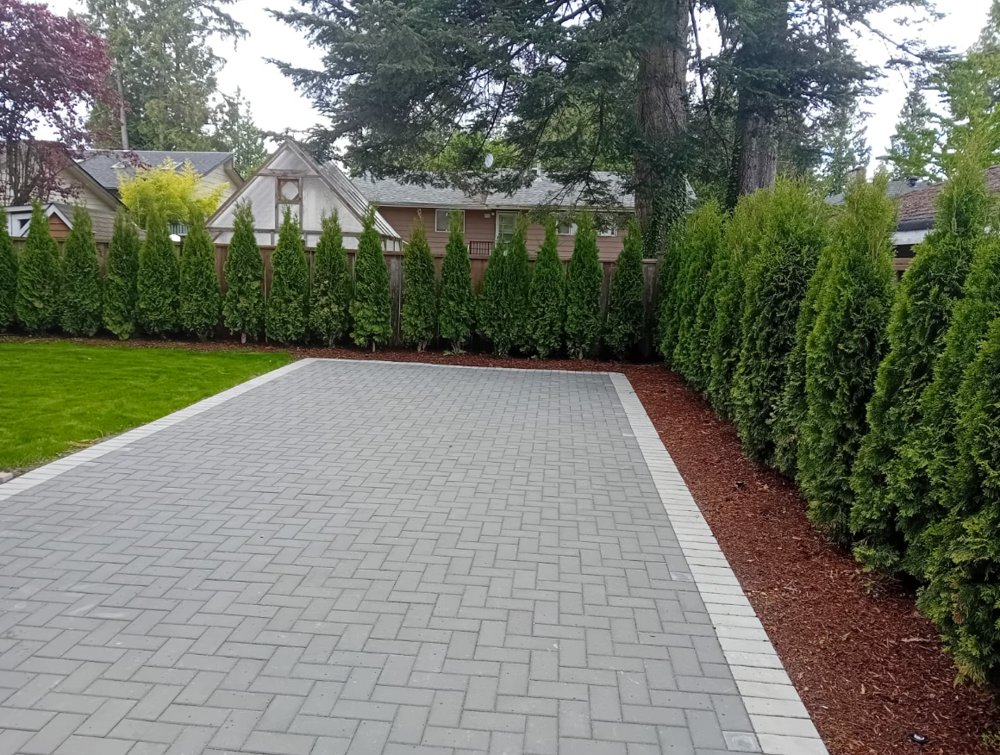
7–Driveways: Driveways provide a car path into your property, made from poured concrete, brick, stone, asphalt, or other sturdy, weather- and load-bearing material.
How Hardscaping Can Increase the Value of a Home
Hardscaping any structure on your property may be costly, but it can increase the value of your home. Features like a fire pit, an outdoor kitchen, or flagstone patio tiles can make your outdoor space more liveable and add to the visual appeal, functionality, and value of your home.